How Canadian Casino Music Venues Book Alternative and Punk Acts
Picture the clash of cultures: the polished, buzzing floors of a Canadian casino against the raw, unfiltered energy of a punk rock show. It’s a juxtaposition that’s becoming an increasingly common reality across the country. While the glittering lights and slot machines might seem worlds apart from the gritty DIY basements and dive bars, a fascinating convergence is underway. Canadian casino music venues are actively seeking out punk and alternative acts, creating unlikely but vital new stages for the underground. This shift is reshaping how bands reach audiences and how fans experience live music, blending high-stakes glamour with three-chord rebellion.
The Unlikely Stage: Why Casinos Are Booking Punk Acts
For decades, casino entertainment leaned heavily on legacy rock acts, tribute bands, and mainstream comedians. Today, forward-thinking venues are aggressively diversifying their lineups. The driving force is a clear-eyed business strategy: to attract a younger, broader demographic that spends not just on gaming, but on dining, drinks, and premium experiences. Booking punk and alternative acts is a direct play for this audience. This move reflects a broader trend in the Canadian music industry where niche scenes are finding unexpected platforms for growth. Venues like Casino Rama in Orillia, Ontario, and River Rock Casino Resort in Richmond, BC, are leading the charge, recognizing that the passionate fanbase of punk rock translates into reliable ticket sales and vibrant event atmospheres, ultimately boosting overall revenue beyond the casino floor.
Top Canadian Casino Venues for Punk & Alternative Music
From coast to coast, specific casino venues have established themselves as key players in the alternative concert circuit. These spaces often offer state-of-the-art production, comfortable seating, and professional staffing—a stark contrast to the raw, unpredictable charm of a typical DIY venue. For fans and bands alike, knowing these hubs is crucial to navigating this expanding layer of the music scene.
East Coast Gems: Casino Nova Scotia
In Halifax, Casino Nova Scotia’s Schooner Room has become an integral part of the city’s eclectic music landscape. The venue provides a mid-sized, professional option for acts that have outgrown the city’s legendary DIY spaces but aren’t quite ready for arena stages. Notably, the DIY venue scene in Halifax often collaborates with Casino Nova Scotia for larger shows, with local promoters using the casino’s space to host touring punk and indie bands that demand a higher-capacity room, creating a symbiotic relationship between the underground and the commercial.
Western Canada’s Hotspots: River Rock & Grey Eagle
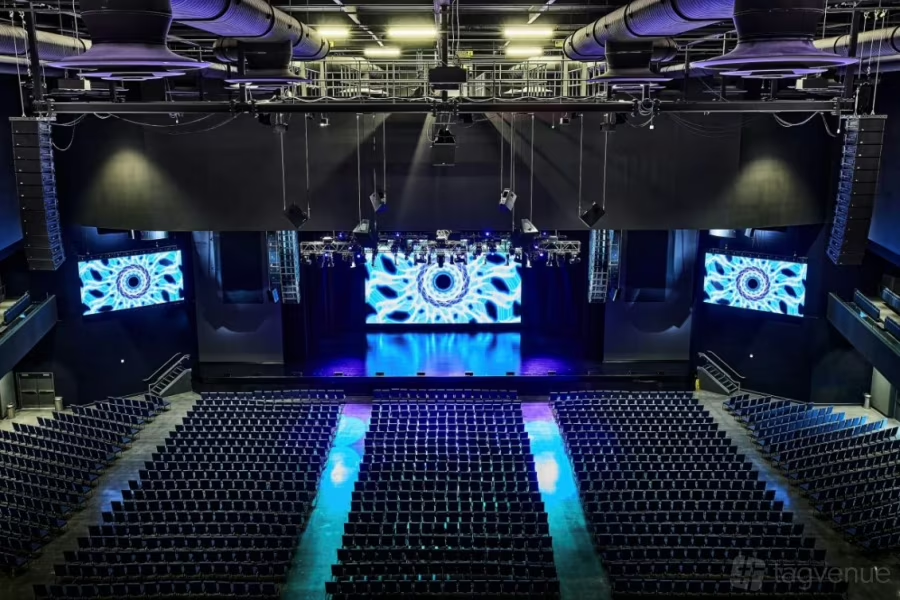
Out West, two venues dominate. River Rock Casino Resort in Richmond, BC, features a 1,000-seat theatre for alternative acts, known for its impeccable sightlines and sound. It’s a premier stop for touring punk acts crossing the country. In Calgary, Grey Eagle Resort & Casino has become a staple for punk and alternative concerts. Its event centre regularly hosts everything from hardcore shows to indie rock nights, solidifying its reputation as a must-play venue for bands targeting the prairie punk community.
Central Canada’s Hubs: Casino Rama & Beyond
In Ontario, Casino Rama in Orillia, Ontario, has hosted punk bands like The Flatliners, alongside a wide array of alternative and rock acts. Its entertainment centre is a major draw for fans from Toronto and across the province. Beyond Rama, venues like Elements Casino in Surrey and Shorelines Slots & Casino in Kawartha Lakes are also dipping their toes into alternative bookings, indicating the trend’s spread beyond major urban centers.
The Booking Process: How to Get Your Band on a Casino Stage
Landing a casino gig operates on a different wavelength than booking a DIY space or a standard club. The process is more formal, contract-heavy, and typically intermediated by large promotional companies. Understanding this pathway is essential for any band looking to access these stages.
Connecting with Promoters
The primary gatekeeper for most major casino venues is not the casino’s entertainment director, but the large-scale promoter they partner with. Live Nation is a key promoter for casino music events across Canada, alongside other regional promoters. Bands need to get on the radar of these promoters through existing relationships, reputable agents, or by consistently drawing significant crowds in traditional markets. Your band’s draw potential is the most critical metric.
Crafting Your Pitch
Your electronic press kit (EPK) needs to be professional and data-driven. Beyond great music, promoters and casino bookers want to see:
- Strong Live Metrics: Proven ticket sales history in similar markets.
- High-Quality Media: Professional live videos and photos that showcase your stage presence.
- Radio & Press Support: Evidence of airplay (especially on college/community radio) and media coverage.
- Online Engagement: A solid, active following on streaming platforms and social media.
Navigating Casino Contracts
Casino contracts often include clauses uncommon in the DIY world. These can involve stricter load-in/load-out schedules, detailed insurance requirements, specific backstage conduct rules, and limitations on merchandise sales (sometimes with a venue percentage). It’s imperative to read every line. Compensation is usually a guaranteed flat fee versus a percentage of the door, offering financial stability but capping upside if the show sells out unexpectedly.
The Fan Experience: Punk Shows in Casino Settings
Attending a punk show at a casino is a distinct experience. The trade-off is clear: you gain production quality and certain comforts but exchange some of the chaotic, intimate atmosphere of a DIY space.
Production Values vs. Punk Aesthetic
Venues like Elements Casino in Surrey perfectly illustrate this balance. Fans can expect crystal-clear, powerful sound and professional lighting rigs—a treat for bands whose nuanced music is often lost in poorly-equipped basements. However, the sterile, carpeted corridors and sometimes restrictive security can dampen the spontaneous, interactive spirit of punk. The challenge for both the band and the venue is to preserve the music’s raw energy within a more controlled environment.
Amenities and Accessibility
The fan amenities are a significant upgrade. Reliable public washrooms, ample (though often paid) parking, on-site food and beverage options, and often better accessibility for those with mobility issues are major pluses. The experience is less about enduring a sweaty, cramped space and more about focusing on the performance in relative comfort, which appeals to a broader age range within the punk and alternative community.
Impact on the DIY Scene: Collaboration or Co-optation?
This migration of punk into casino venues raises important questions for the heart of the underground scene. Is this a healthy expansion or a threat to DIY ethics, particularly in stronghold cities like Toronto and Vancouver?
Exposure and Revenue Opportunities
For bands, the benefits are tangible. Casino gigs offer significantly higher guaranteed payouts than most DIY spaces, helping touring bands cover costs. They also expose music to audiences who might never venture into a basement venue, potentially growing a band’s fanbase. The professional stage can be a career milestone and provide material for high-quality live recordings.
Ethical Considerations for Bands
The core tension lies in punk’s anti-corporate, community-centric ethos. Casinos are large, profit-driven corporations. Playing there can be viewed by some as “selling out.” Successful bands often navigate this by maintaining a dual presence: they play the casino theatre but also play or promote shows at independent venues, and they use the income from larger gigs to support their own DIY projects or other local bands. Transparency and a continued commitment to the grassroots scene are key to maintaining credibility.
This evolution in Canada’s punk landscape shows that casino venues can, when approached thoughtfully, complement the DIY ecosystem rather than replace it. They offer a different type of platform that, when used strategically, can provide financial stability and broader reach for artists, all while introducing the vital energy of punk rock to new audiences in the most unexpected of places.